

Title: The Art of Packaging Design: A Comprehensive Guide
Introduction
Packaging design is an essential aspect of product marketing, as it not only protects the contents but also enhances the overall aesthetic appeal and brand image. In todays competitive market, packaging design plays a crucial role in capturing consumers attention and fostering brand loyalty. This article aims to provide a comprehensive overview of packaging design, highlighting its importance, techniques, and trends.
I. Overview of Packaging Design
Packaging design encompasses various elements such as shape, color, texture, and graphics that are used to create a visually appealing and functional product. It involves understanding the target audience, product characteristics, and competition to develop a unique and effective design strategy.
II. Importance of Packaging Design
1. Brand Recognition: A well-designed package can help establish a brands identity and make it memorable to consumers.
2. Product Protection: Packaging provides necessary protection for fragile items, ensuring their safety during transportation and storage.
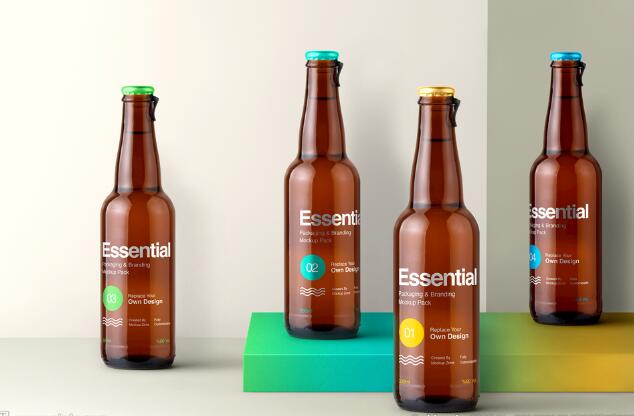
3. Consumer Experience: A visually appealing package can enhance the consumer experience by creating excitement and anticipation for the product.
4. Environmental Sustainability: Properly designed packaging can reduce waste and promote environmentally friendly practices.
III. Techniques for Packaging Design
1. Simplicity: Minimize unnecessary elements to make the package easy to understand and use.
2. Consistency: Maintain consistency in design elements across different packaging materials and sizes.
3. Color Coordination: Use colors that complement each other and convey the intended message effectively.
4. Graphics and Illustrations: Use eye-catching graphics and illustrations to draw attention to the product and its benefits.
5. Material Choice: Choose appropriate materials based on the products nature and intended use.
IV. Trends in Packaging Design

1. Biodegradable Packaging: As awareness about sustainability grows, more companies are using biodegradable materials in their packaging designs.
2. Digital Printing: Digital printing technology allows for high-quality, eco-friendly packaging with minimal impact on the environment.
3. Customization: Personalized packaging options have become increasingly popular, allowing customers to customize their products with their own touch.
4. Interactive Packaging: Interactive packaging features such as QR codes or pop-up displays can enhance the consumer experience and increase product engagement.
Conclusion
In conclusion, packaging design is a critical component of product marketing that requires careful consideration of various factors such as brand recognition, product protection, consumer experience, and environmental sustainability. By following the techniques outlined in this article and staying up-to-date with emerging trends, businesses can create packaging designs that not only meet their objectives but also stand out in a crowded marketplace.