
Title: The Art of Packaging Design: An Overview
Introduction
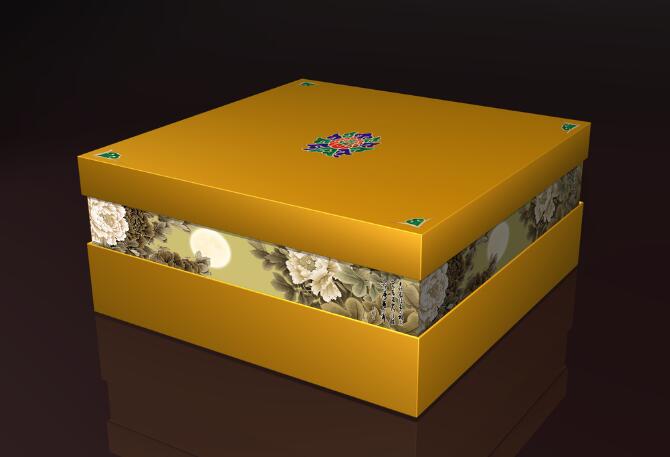
Packaging design is an integral part of the product lifecycle, as it not only protects the product but also communicates its value and brand identity to consumers. In this article, we will explore the various aspects of packaging design, from its history and evolution to modern trends and techniques.
Historical Perspective
The concept of packaging design can be traced back to ancient civilizations, where containers were used to store goods and protect them from damage. However, it was not until the Industrial Revolution that packaging began to take on a more formalized form. During this time, designers began to experiment with new materials and techniques to create visually appealing and functional packaging.
Modern Evolution
Today, packaging design has evolved significantly, with designers relying on a range of tools and technologies to create innovative and effective designs. From digital printing to 3D printing, designers are constantly pushing the boundaries of what is possible in terms of material selection, shape, and functionality. Additionally, social media and digital marketing have played a significant role in shaping consumer preferences, driving the development of trendy and unique packaging designs.
Types of Packaging
There are several types of packaging available, each with its own advantages and disadvantages. Here are some of the most common types:
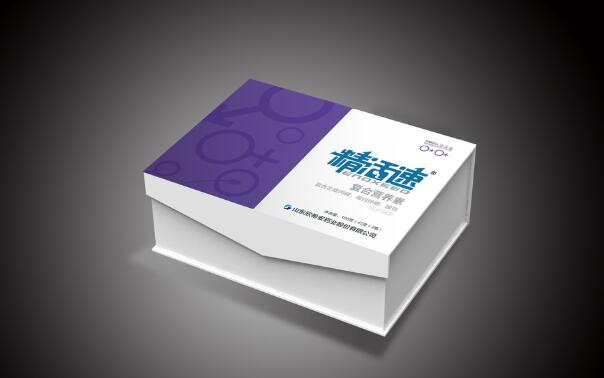
1. Cardboard Boxes: These are the most common type of packaging used for fragile or bulky items. They are durable and can be easily stacked for shipping. However, they may not provide enough protection for delicate products.
2. Plastic Bags: These are commonly used for small items or single-use products. They are convenient and cost-effective, but they can be difficult to recycle and pose a risk to the environment.
3. Paper Bags: These are becoming increasingly popular due to their eco-friendly nature. They are lightweight and easy to recycle, but they may not provide adequate protection for fragile items.
4. Bubble Wrap: This is a popular alternative to cardboard boxes for protecting fragile items during shipping. It is lightweight and easy to handle, but it may not provide enough cushioning for larger items.
5. Foam Boxes: These are designed to provide extra cushioning and protection for fragile items. They are ideal for high-value products and can be customized to match the products branding.
Techniques in Packaging Design
In addition to traditional materials, designers are exploring new techniques and materials in packaging design. Here are a few examples:
1. Biodegradable Packaging: As concerns about environmental sustainability grow, more and more companies are using biodegradable materials in their packaging. These materials break down naturally over time, reducing the need for landfill space and minimizing their impact on the environment.
2. Reusable Packaging: Many companies are now offering reusable packaging options, such as reusable bags or containers. These are designed to be reused multiple times, reducing waste and promoting sustainable consumption habits.
3. Customizable Packaging: With advancements in technology, it is now possible to create customizable packaging that reflects the brands personality and values. This can include personalized messages, logos, and other elements that make the product stand out in a crowded market.
Conclusion
Packaging design plays a crucial role in the success of any product. By understanding the history and evolution of packaging design, as well as the different types of packaging available and the techniques being used today, businesses can create packaging that not only protects their products but also communicates their brand identity and values to consumers. As the world becomes more environmentally conscious, sustainable packaging solutions will continue to become increasingly important, making it essential for businesses to stay ahead of the curve and embrace new design techniques.